My Approach
Every person brings their own experiences, strengths and way of understanding the world. For this reason, I believe therapy should never be a one-size-fits-all process. My work is grounded in an integrative, relational and neurodiversity-affirming approach, meaning I draw on a range of therapeutic approaches and adapt each session to the individual, their developmental stage and what feels most supportive for them.
At the heart of my practice is the therapeutic relationship. I aim to create a warm, accepting and non-judgemental space where children, young people and adults feel safe enough to explore their thoughts, feelings and experiences at their own pace.
Creativity in Therapy
My training at the Institute for Arts in Therapy and Education has given me a strong foundation in creative and arts-based therapeutic practice. Creativity is not about artistic ability; it is about finding different ways to communicate, explore emotions and make sense of experiences when words alone are not enough.
Alongside talking therapy, I may draw upon creative resources such as art materials, storytelling, metaphor, imagery, sand tray, therapeutic games, mindfulness or movement where these feel appropriate and helpful. Creative approaches are always offered as an invitation rather than an expectation, respecting each individual's preferences and comfort.
Nature and Outdoor Therapy
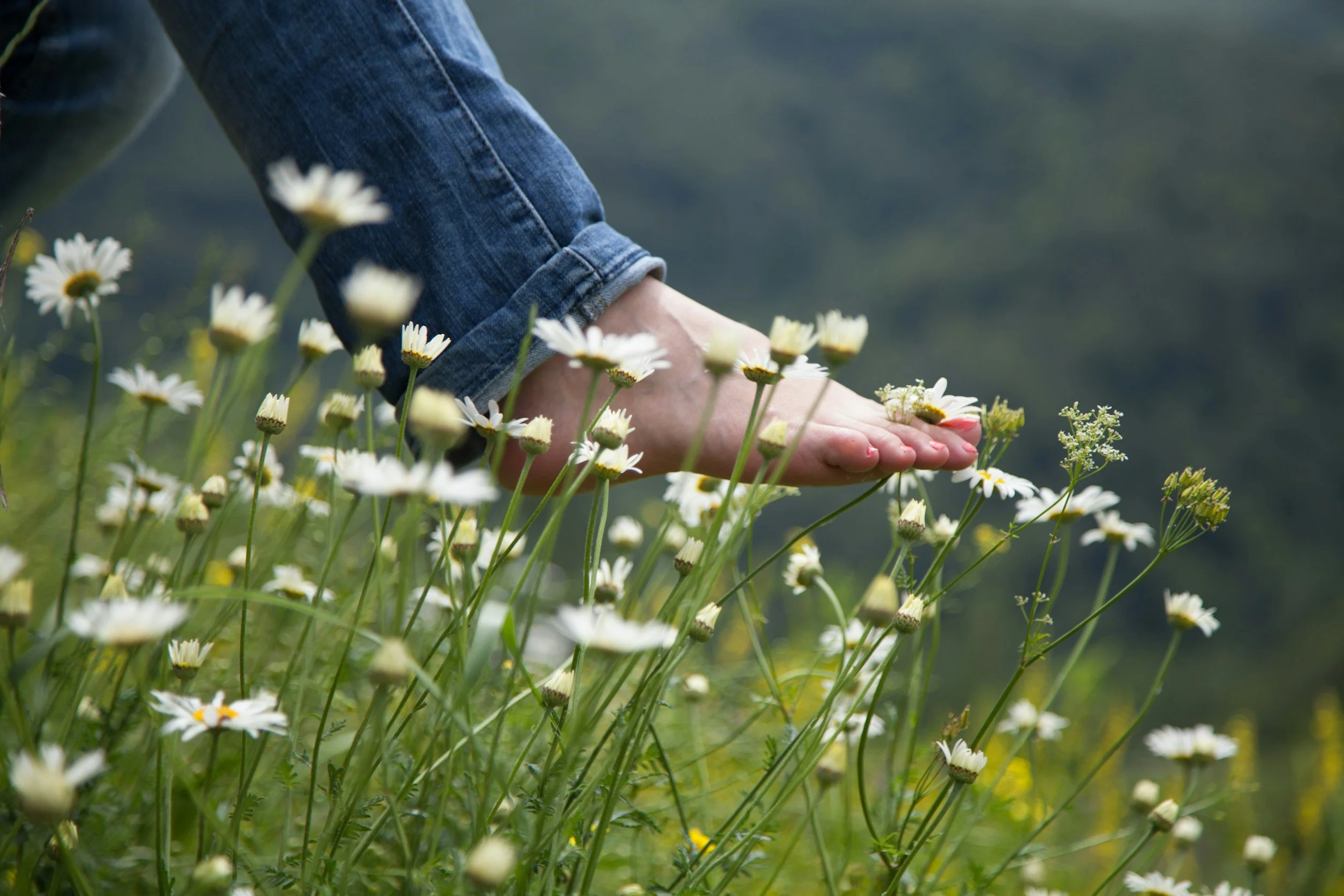
For some people, being outdoors can create a greater sense of calm, connection and emotional space than working solely indoors. Where appropriate, I offer opportunities to incorporate nature into the therapeutic process.
Outdoor sessions may involve mindful walking, sensory awareness, reflective conversation or simply using the natural environment as a supportive therapeutic space. Time spent in nature can encourage emotional regulation, reduce stress, foster creativity and strengthen a sense of connection with both ourselves and the wider world.
Any outdoor work is carefully planned, with consideration given to safety, confidentiality and the individual's needs and preferences.
Neurodiversity-Affirming Practice
I work in a neurodiversity-affirming way, recognising autism, ADHD and other neurodivergent ways of experiencing the world as natural forms of human diversity rather than deficits to be changed.
My role is to understand each person's unique way of communicating, processing information and relating to the world, adapting therapy to support their strengths, sensory needs and individual identity.
Working Together
Whether we are talking, creating, walking or simply sitting together in quiet reflection, my aim remains the same: to offer a compassionate therapeutic relationship where people feel genuinely seen, heard and accepted.
I believe that when individuals feel safe, understood and connected, they are better able to develop self-awareness, strengthen resilience, discover their own resources and move towards meaningful and lasting change.